Chinglish Cafe
Cafe
Explore the hilarious and fascinating world of Chinglish — and the surprising English born from China. Discover literal translations, internet slang, borrowed words, and the cultural stories behind them all.


你算什么东西 / 癞蛤蟆想吃天鹅肉 (Nǐ suàn shénme dōngxī / Làihámá xiǎng chī tiān'é ròu)
Means: Who do you think you are? / Way out of your league

不作死就不会死 (bù zuō sǐ jiù bú huì sǐ)
Means: Play stupid games, win stupid prizes / You asked for it
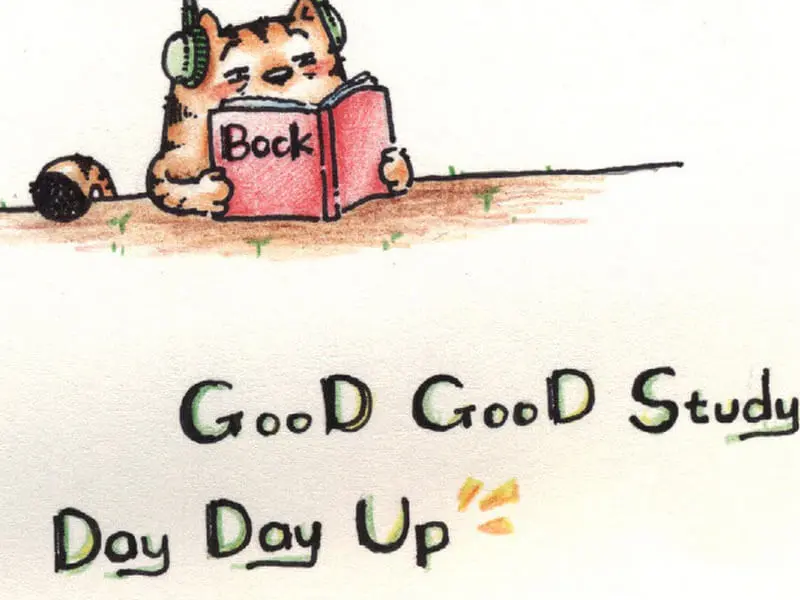
好好学习,天天向上 (hǎo hǎo xué xí, tiān tiān xiàng shàng)
Means: Study hard and make progress every day
# Internet Slang (→ View All)
阴阳怪气 (yīn yáng guài qì)
Means: Passive-aggressive / Backhanded / Sarcastic with plausible deniability
杠精 (gàng jīng)
Means: Devil's advocate addict / Professional contrarian / Troll (educated)
# Idioms & Slang (→ View All)
亡羊补牢 (wáng yáng bǔ láo)
Means: Better late than never / Lock the barn door after the horse is stolen
打草惊蛇 (dǎ cǎo jīng shé)
Means: Tip off the enemy / Alert the quarry / Let the cat out of the bag
杯弓蛇影 (bēi gōng shé yǐng)
Means: Jumping at shadows / Paranoid delusion / Seeing threats that aren't there
# Daily Life (→ View All)
剩女 (shèng nǚ)
Means: Single woman past the conventional marriage age / Unmarried woman in her late twenties or older
Oxford Certified
Explore legendary Chinglish phrases that have officially crossed cultural borders. These linguistic marvels are now proudly recognized in prestigious English dictionaries.
Urban Dictionary
Dive into the untamed world of Chinese internet slang. Discover the most creative, chaotic, and viral expressions currently dominating daily digital conversations.
5-Star Hilarious
Prepare yourself for non-stop laughter. We've handpicked the absolute funniest, most bizarre, and mind-bending translation fails that achieved legendary comedy status.
Signs Gallery
A visual archive of legendary Chinglish signs, menus, and public notices captured in the wild. Seeing is believing.
💡 Did You Know?
"Long time no see" first appeared in 1900.
Famously used in W.F. Drannan's book Thirty-One Years on the Plains and in the Mountains. Initially mocked by literary critics as grammatically incorrect, its catchy rhythm helped it spread rapidly across the globe, cementing its status as one of the earliest examples of Chinglish entering the mainstream English lexicon.
"Add oil" (加油) entered the Oxford Dictionary in 2018.
Recognized globally as a legitimate expression of encouragement by linguists, the official inclusion of this literal translation proves that Chinglish is no longer just considered "broken English". Instead, it is highly respected as a vibrant, evolving new dialect forming in real-time.
"Brainwash" is a direct translation from Chinese.
The English term "brainwash" is a literal calque of the Chinese word 洗脑 (xǐ nǎo). It was first used in English by journalist Edward Hunter in 1950 to describe how the Chinese army used psychological techniques during the Korean War, and has since become a universal psychological term.
"Ketchup" actually originated in Southern China.
Long before it became America's favorite tomato condiment, the word derived from the Hokkien Chinese word kê-tsiap (茄汁 / 鮭汁), which was originally a fermented fish sauce. British sailors brought the recipe and the name back to Europe in the 17th century.
☕About Chinglish.Cafe
Chinglish is not just "bad English"—it's a fascinating cultural bridge. This site is dedicated to archiving literal translations, internet slang, and historical pidgin phrases that showcase the humor and creativity of the Chinese language meeting the English world. We also trace the words and wisdom China has given to English — from kung fu to "be water, my friend."
Found a New Expression?
Help us grow this dictionary by submitting Chinglish phrases you've encountered in the wild.
Submit a Phrase →